Femicide in London

The murder of Sarah Everard by a police officer in London has prompted much greater public interest in the issue of ‘femicide’, normally defined as the killing of a woman or girl by a man. Following the court case, the Guardian and Sunday Times newspapers both published a gallery of the 80 or so women vicitms across the UK since March 2021.*

Many of these cases would otherwise have received little or no attention, ironically because they are not felt to be ‘unusual’ or remarkable enough. By contrast, the murder of Sarah Everard became a national issue because of its relatively rare nature: a young woman walking home along a busy street one evening was targeted at random by a stranger who not only worked as a police officer but also used his status to kidnap her from a public place.

In London there have been 18 such alleged ‘femicides’ since the murder of Sarah Everard (plus one alleged killing of a woman by another woman). However it is difficult to examine these cases in detail because they have not yet gone through the justice system. So, in an attempt to look more closely at the nature of fatal violence against women and girls, we decided to focus on the 29 female victims of homicide in London in the calendar year of 2019.

Female victims accounted for 19.2% of the total that year (29 out of 151), according to our statistics*. The figures can vary quite a lot each year as they are relatively low numbers (see table below), but the proportion of female victims tends to be between 20 and 25 per cent of the total. In 2020 there were 28 female victims out of a total of 123 (22.6%).

YearFemale Victims #Female Victims %Total Homicides
20161917.4109
20172619.6133
20183123.1134
20192919.2151*
20202822.6123
Based on murdermap figures, which may be slightly different from police. *We have removed one 2019 case where the police have not confirmed the sex of the child victim.

Looking at the cases in 2019, we can try and distinguish between them based on a number of features such as age, weapon, location (of the attack), and relationship with the killer or suspect.

Here’s a graph comparing male and female homicide victims by location of attack.
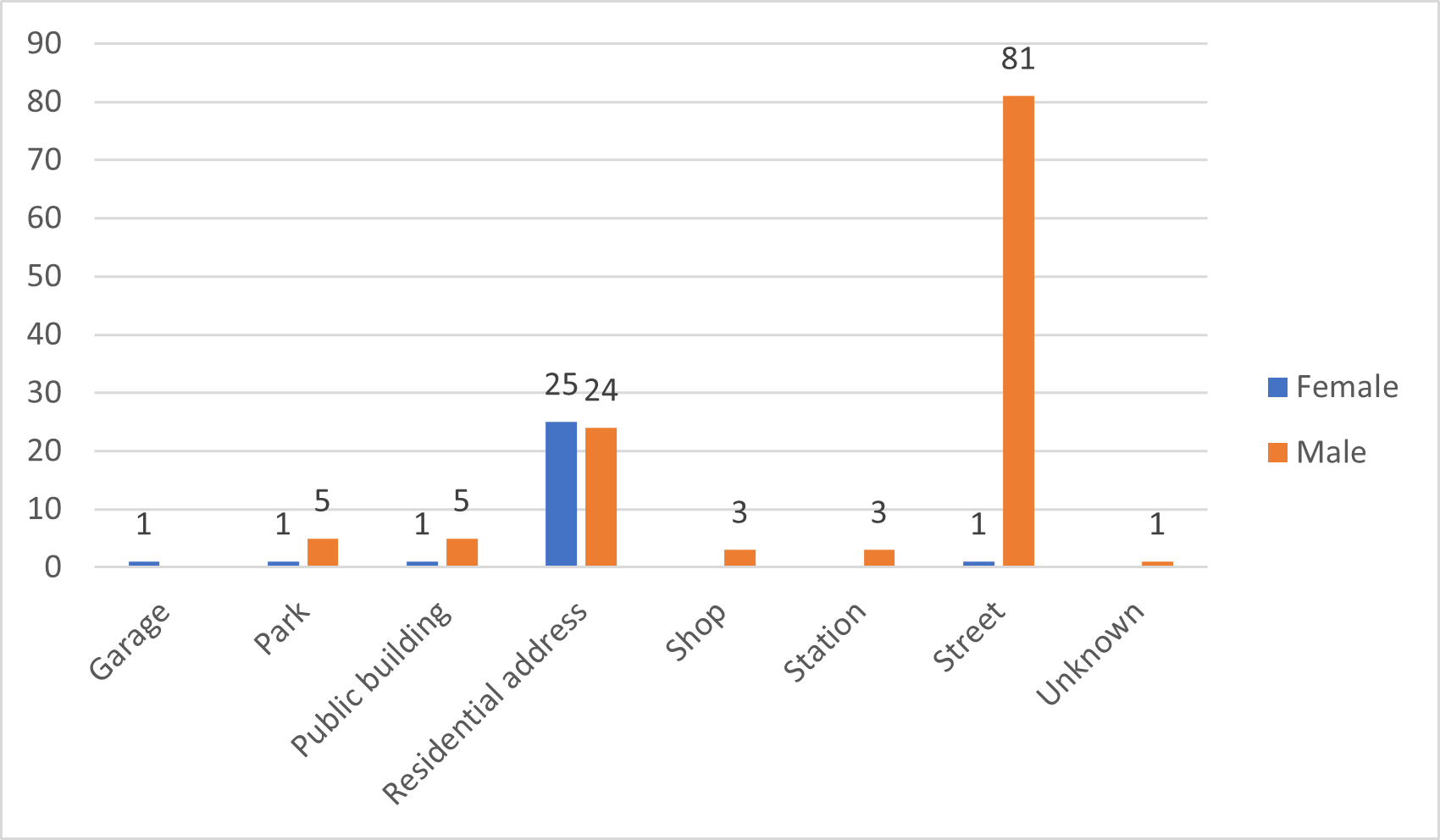
London Homicides in 2019, by location of attack

It’s clear that most (86 per cent) female victims in 2019 were killed at a residential address – either their own home or someone else’s. It’s striking that the only female street homicide involved a fight between two women which ended in a fatal stabbing. By contrast male homicides mostly (66.4%) take place in the street.

One reason for this disparity is that a large proportion of male homicides involve fights between young males (between the ages of 15 and 30) in public places, whereas the ages of female victims are not as concentrated in this range.

Homicide victims in 2019 by age range

This difference is mostly due to the closer relationship between female victims and their killer and, as we have already seen, the fact that most female victims are attacked indoors.

In 2019 the vast majority of killers/suspects in female homicides were male. This is generally the case every year, as well as in the UK as a whole. If we exclude the four cases where a relationship is not known (two are unsolved murders and two are ongoing investigations into baby deaths), then 23 out of the 25 victims (92%) were killed by men. The two female suspects were a mother who killed her child and a woman who killed a ‘rival’ after an argument in the street.
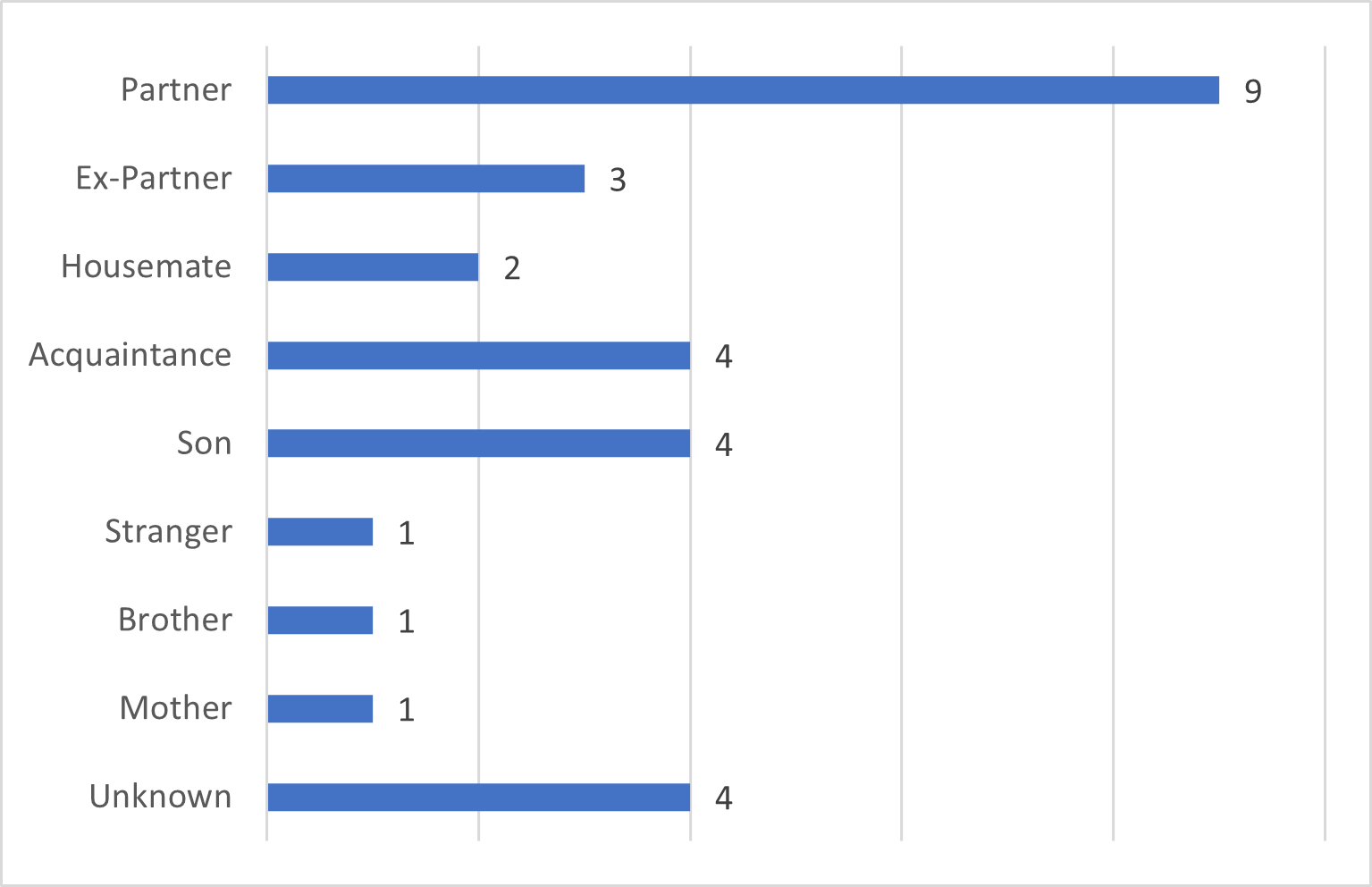
Suspect relationship to female homicide victims

Of the 25 confirmed ‘femicides’ (female victims killed by men), 12 out of 25 (48%) victims were killed by a partner or ex-partner and 5 (20%) were killed by a relative.

To end, here’s the chart of female victims by weapon used. While knives are still the most common weapon used (38%), the percentage is much less than for male victims (68%), and ‘None’ – which mainly involves the use of hands and feet (including manual strangulation – is much higher (28% compared to 12%).
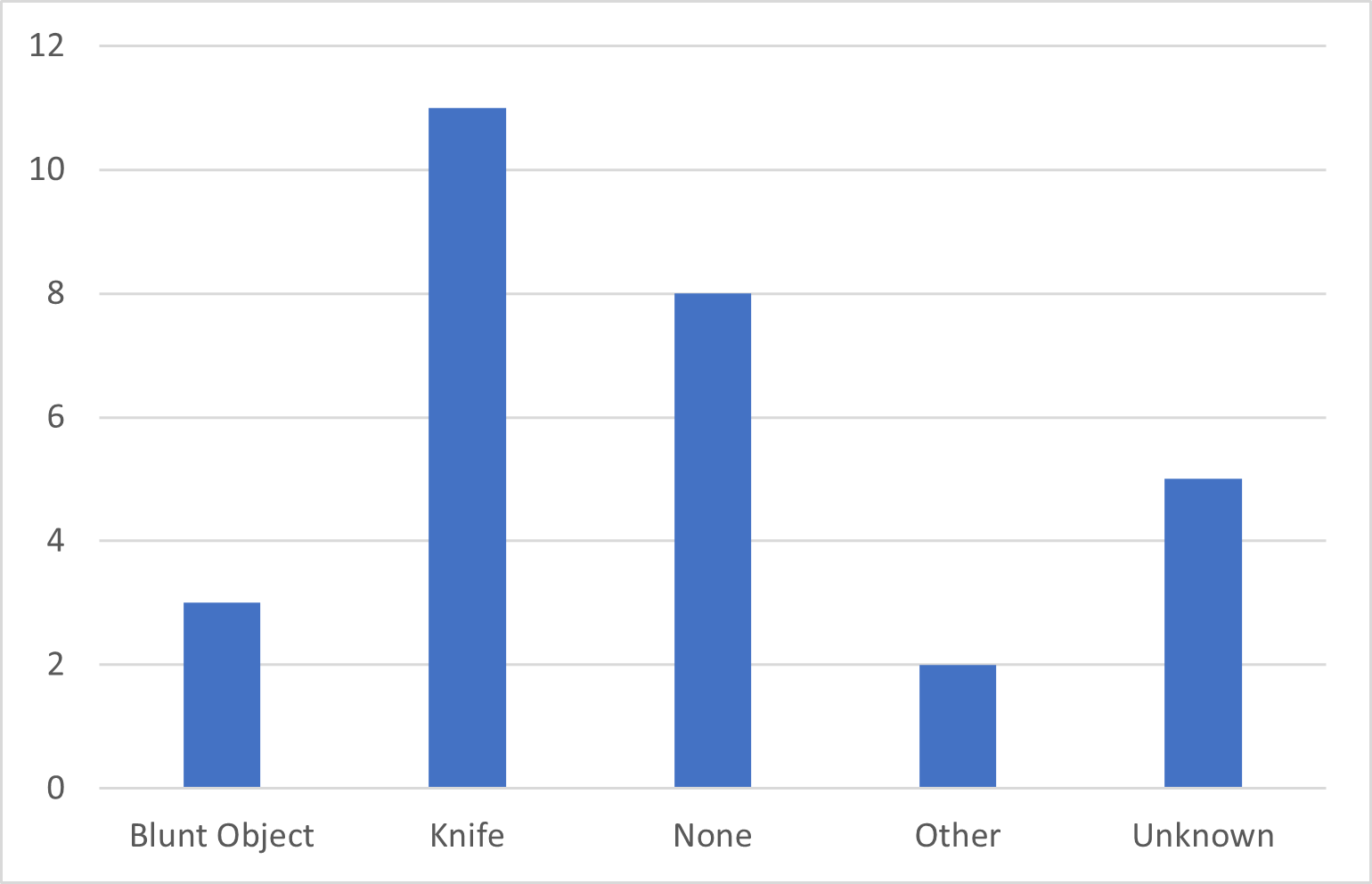
If you have any questions then please comment below and we will try to answer them, either in the comments or with an addition to this post.
Support murdermap

We rely on subscriptions and donations to fund the website.
Sign up for just £5 per year.

Adam: The Torso in the Thames

On the afternoon of Friday September 21, 2001, passers-by spotted an brightly-coloured object floating in the water past the Tower of London and under Tower Bridge.

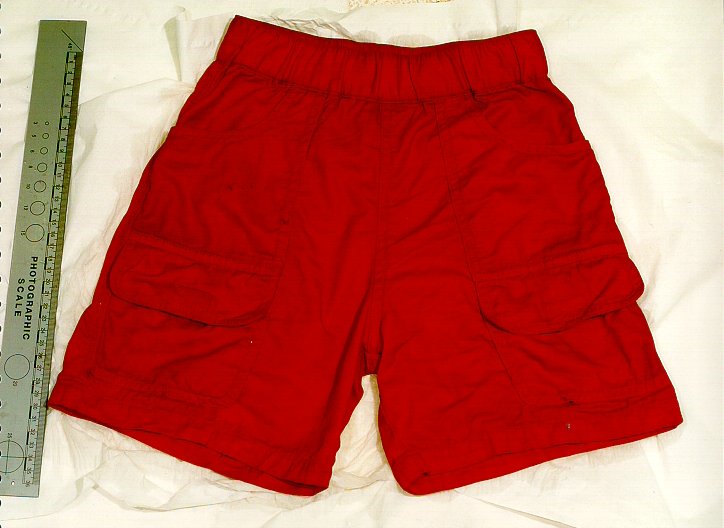
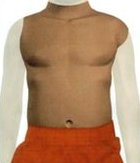
It was recovered by the Metropolitan Police near the Globe Theatre and found to be the body of an African boy, aged five or six. His head and limbs had been severed from his body and he was still wearing a pair of orange shorts.

The boy was later named Adam, after police were unable to identify him.

Police graphic of torso found in the River Thames

Detectives said they believed he was the victim of a ritual murder and had been paralysed with an extract from the carabar bean. A £50,000 reward was offered for information leading to a conviction.

In April 2002 an international appeal was made by apartheid campaigner and former South African President Nelson Mandela.

Police arrested Nigerian Joyce Osiagede in Glasgow in 2002 and found clothing similar to that found on Adam in her tower block flat. She was later deported.

One of her Nigerian associates, Kingsley Ojo, was also arrested and later charged with people trafficking. Police found a video of mock-up ritual killings and a rat’s skull, thought to be a voodoo talisman, but said there was no evidence linking him to the death of Adam. He was jailed for four years and six months in July 2004 and was deported in 2008.

The orange shorts worn by the boy ‘Adam’

In March 2011, London Tonight broadcast an interview with Ms Osiagede in which she claimed that the boy’s name was a six year-old boy called Ikpomwosa. She said she had looked after him for a year in Germany before handing him to a man named ‘Bawa’.

Then in February 2013 Ms Osiagede told the BBC the boy’s name was in fact Patrick Erhabor and ‘Bawa’ was Kingsley Ojo, the convicted people smuggler.

The case remains unsolved and Adam’s true identity remains unknown despite regular reviews of the evidence.

A new appeal for information was made in September 2021.

DCI Kate Kieran, a homicide detective from the Met’s Specialist Crime Command, said: “It is incredibly sad and frustrating that Adam’s murder remains unsolved. The homicide command have been working tirelessly over the years to find out who is responsible.

“We recognise people may not have wanted to speak up at the time and may have felt loyal to the person or people involved in this.

“However, over the past 20 years, allegiances and relationships may have changed and some people may now feel more comfortable talking to us. We implore them be bold and come forward if they know something so that we can finally deliver justice once and for all.

“No matter how old or small that information may seem, it really could make all the difference.

“This young boy has not and will not be forgotten. He deserved better and we will not give up on him.”

To provide information, call police on 101 or call Crimestoppers anonymously on 0800 555 111. 

Support murdermap

We rely on subscriptions and donations to fund the website.
Sign up for just £5 per year.

Links:

Adam’ has an entry in Wikipedia with links to articles and videos related to the case. 

See also the London Tonight interview with Joyce Osiagede and the reporter’s account of the investigation in the Daily Mail ‘Voodoo and human sacrifice: The haunting story of how Adam, the Torso in the Thames boy, was finally identified‘. The BBC story ‘Torso case boy identified’ was published on 7 February 2013.

‘He didn’t know his killer’: The unsolved murder of Richard Odunze-Dim

A 20-year-old student who was shot dead in front of his friends was an innocent victim and not the intended target, an inquest heard. At around 9.15pm on 18 December 2018 a black SUV pulled up alongside a house on a busy residential street in Edmonton, north London. It is…

You must be a paid subscriber to view this page - we rely on donations to keep the website going.

For £7 a year, subscribers receive the following benefits:

Sign up here, or Login if you are already registered.


Mistaken Identity: The unsolved murder of David Adegbite

An 18-year-old student who was shot dead on a housing estate in Barking was ‘in the wrong place at the wrong time’, an inquest heard. The anonymous 999 call came in from an unregistered pay-as-you-go phone at 7.09pm on 19 March 2017. A man told the operator that his friend…

You must be a paid subscriber to view this page - we rely on donations to keep the website going.

For £7 a year, subscribers receive the following benefits:

Sign up here, or Login if you are already registered.


The Regent’s Park Bombing of 1982

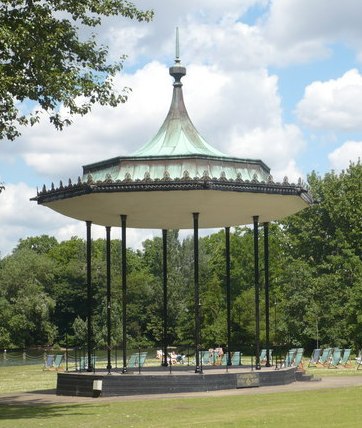
Seven military bandsmen were killed by an IRA bomb in Regent’s Park on 20 July 1982.

Serjeant Major Graham Barker, 36, Serjeant Robert Livingstone, 31, Corporal John McKnight, 30, George Mesure, 19, Keith Powell, 24, Laurence Smith, 19, and John Heritage, 29, were all members of the Royal Green Jackets.

They were performing music from the musical Oliver! at the bandstand before a crowd of 120 people when the bomb exploded at around 12.55pm.

Regent's Park Bandstand
Regent’s Park Bandstand

Six of the bandsmen were killed instantly and at least eight civilians were injured. John Heritage died in hospital on 1 August.

The bombing took place two hours after four soldiers were killed in a bomb at Hyde Park.

In a statement referring prime minister Margaret Thatcher’s words in relation to the Falklands War, the IRA claimed responsibility for the terror attack.

Now it is our turn to properly invoke article 51 of the UN statute and properly quote all Thatcher’s fine phrases on the right to self-determination of a people. The Irish people have sovereign and national rights which no task or occupational force can put down.

IRA statement, issued under the name “P.O’Neill”.

While two suspects were charged with the Hyde Park bombing, nobody has ever been charged in relation to the Regent’s Park Bomb.

This case is featured in the historical murder map.

Support murdermap

We rely on subscriptions and donations to fund the website.
Sign up for just £5 per year.