Burglar convicted of killing elderly siblings in 1993

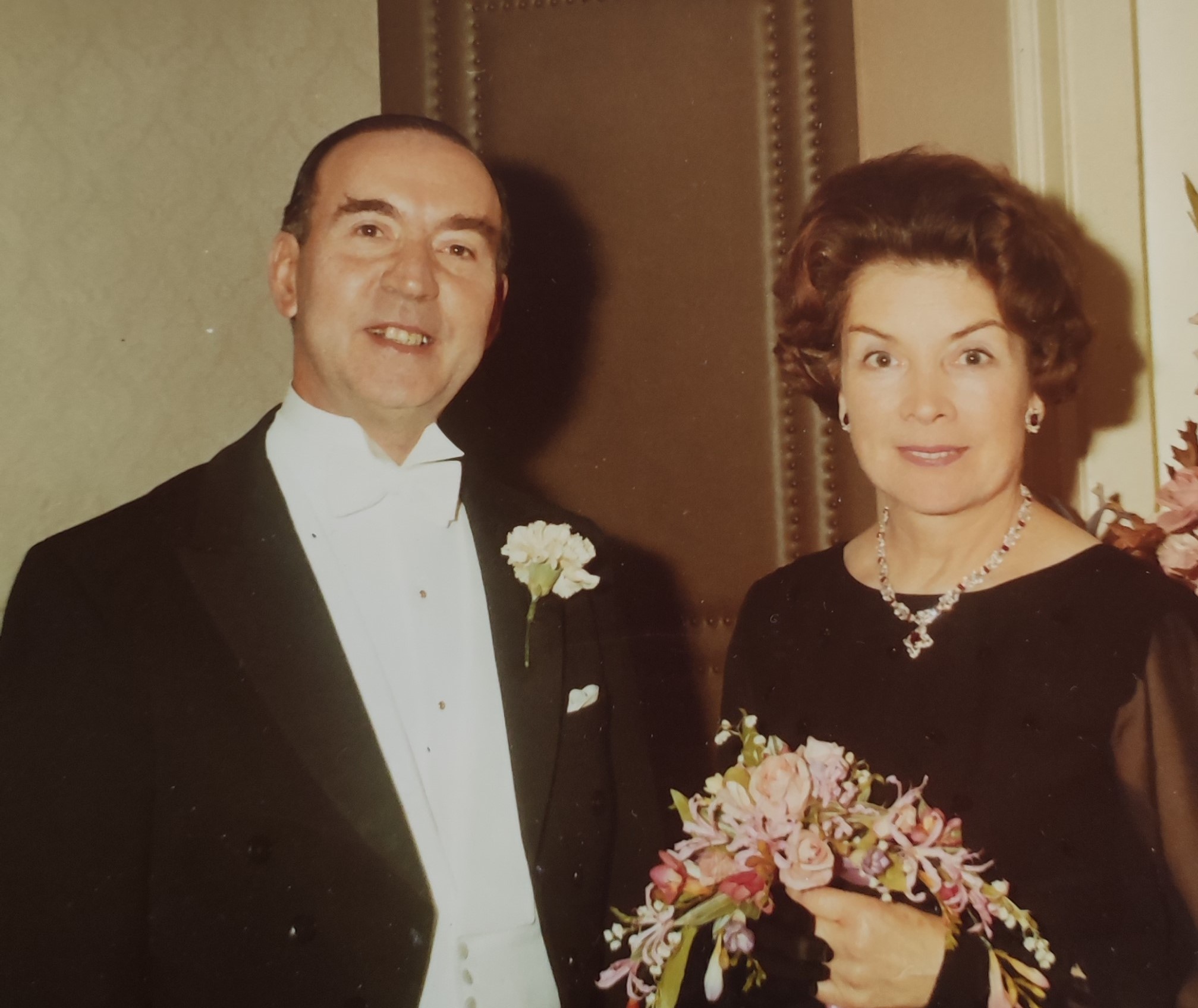
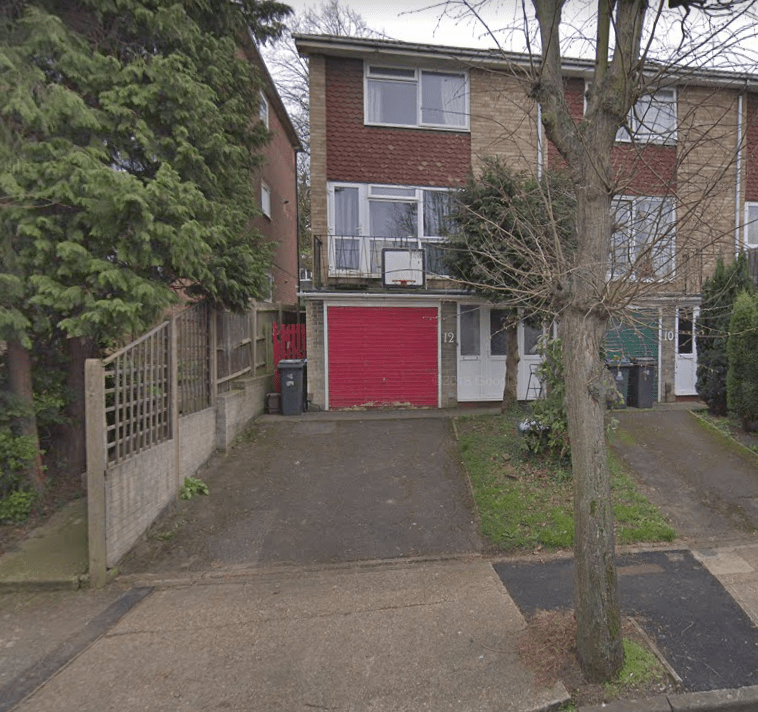
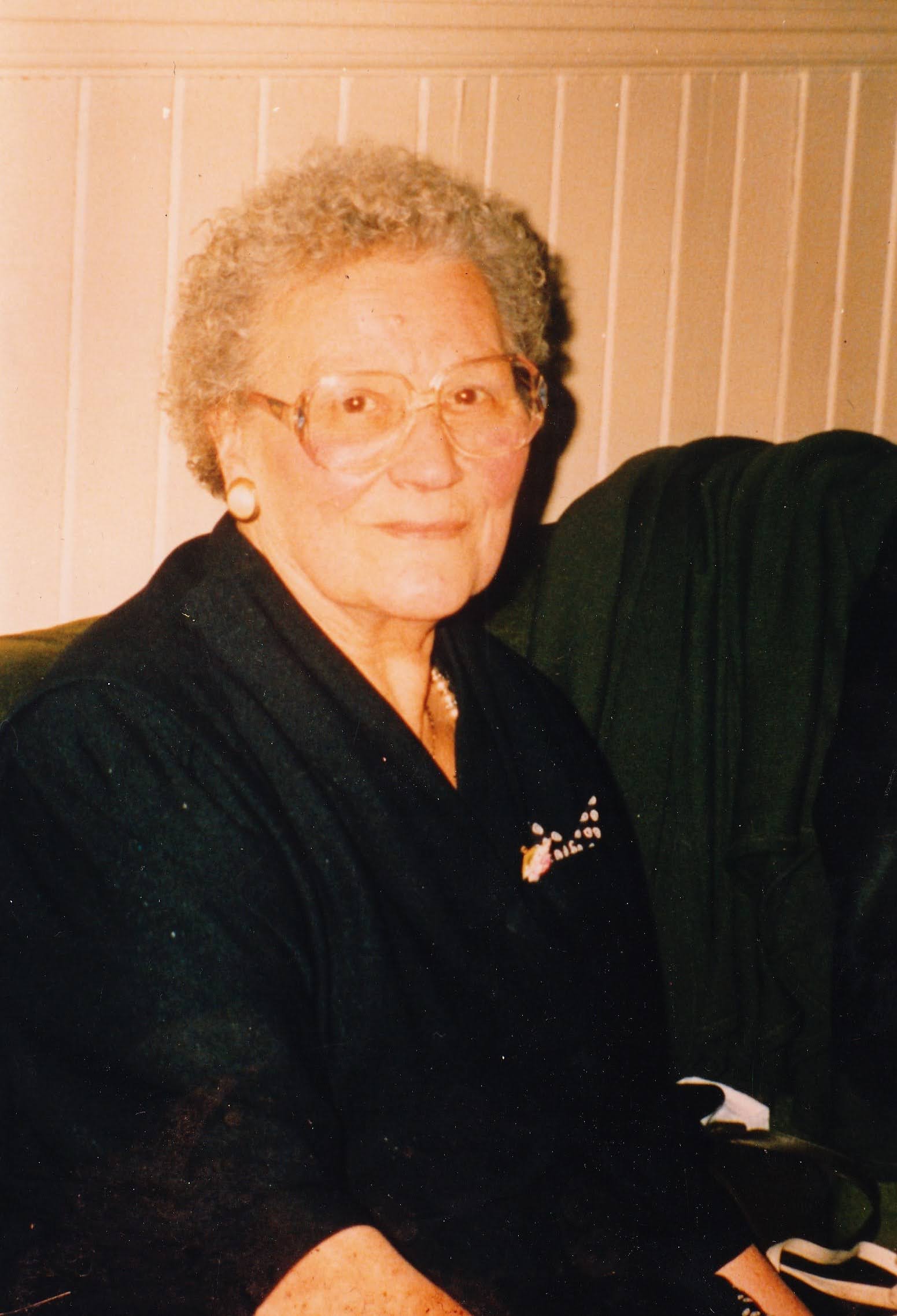
William Bryan, 71, and Anne Castle, 74, had lived together at the flat on the Minerva estate in Bethnal Green, east London, for nearly five decades.

It was first occupied by Anne and her husband, who bought it together in 1943. Two years later William, who became ill after the Second World War and worked as a messenger in the City, moved in to stay with the couple.

In the years that followed Anne, who was employed as a cleaner at the Bethnal Green hospital and in a local bakery, raised five children. They in turn went on to give her 13 grandchildren and 15 great-grandchildren.

Anne’s husband died in 1987 and she continued to live in the flat with her brother.

Just after 5pm on Sunday 22 August 1993, Anne left the flat to walk to the Clarion Social Club with a friend for their usual meeting. They left a few hours later, and Anne was back at her home by around 8.50pm.

It was William’s habit to prepare a coffee and a sandwich for Anne’s return.
At some point shortly afterwards the siblings were interrupted by a burglar, who may have either talked his way inside or forced his way in after knocking on the front door.

The intruder assaulted both victims and restrained William with his feet tied with his dressing gown cord and his hands bound using the strap from his binoculars.

As a result of the attack, Anne suffered a heart attack, while William went into cardiac arrest while being smothered.

One neighbour heard a woman screaming loudly at 9.30pm but saw nothing when he looked outside. Another said she could see movement in the lounge at around 11.30pm while a young boy reported being woken up by someone shouting “get out of here” several times.

The next day a neighbour called the police after noticing the lights were on and the balcony door was open, though nobody answered the door.

When officers arrived on Monday evening they used a ladder to access the balcony and found Anne slumped in an armchair in the lounge next to a half drunk coffee and half eaten sandwich. William was lying on his side on the floor. The cupboards and drawers were open and items were strewn across the carpet.

Several pieces of jewellery were missing, including two wedding bands and two diamond rings which had been removed from Anne’s fingers. A portable CD and casssette player had also been stolen. However the burglar had not found a total of £4,665 in cash which was hidden in several places around the flat.

Police also found a hammer and a screwdriver in the flat which may have been used to threaten the victims. Anne had several bruises on her arm suggestive of restraint while William had injuries consistent with blows to the head.

The Metropolitan Police said “significant inquiries” were made at the time, including examination of the scene and the gathering of witness accounts. Fingerprints and foot marks were found but no suspect was identified.

Six years later, in 1999, a partial DNA profile was obtained from the strap of the binoculars, again without identifying a suspect.
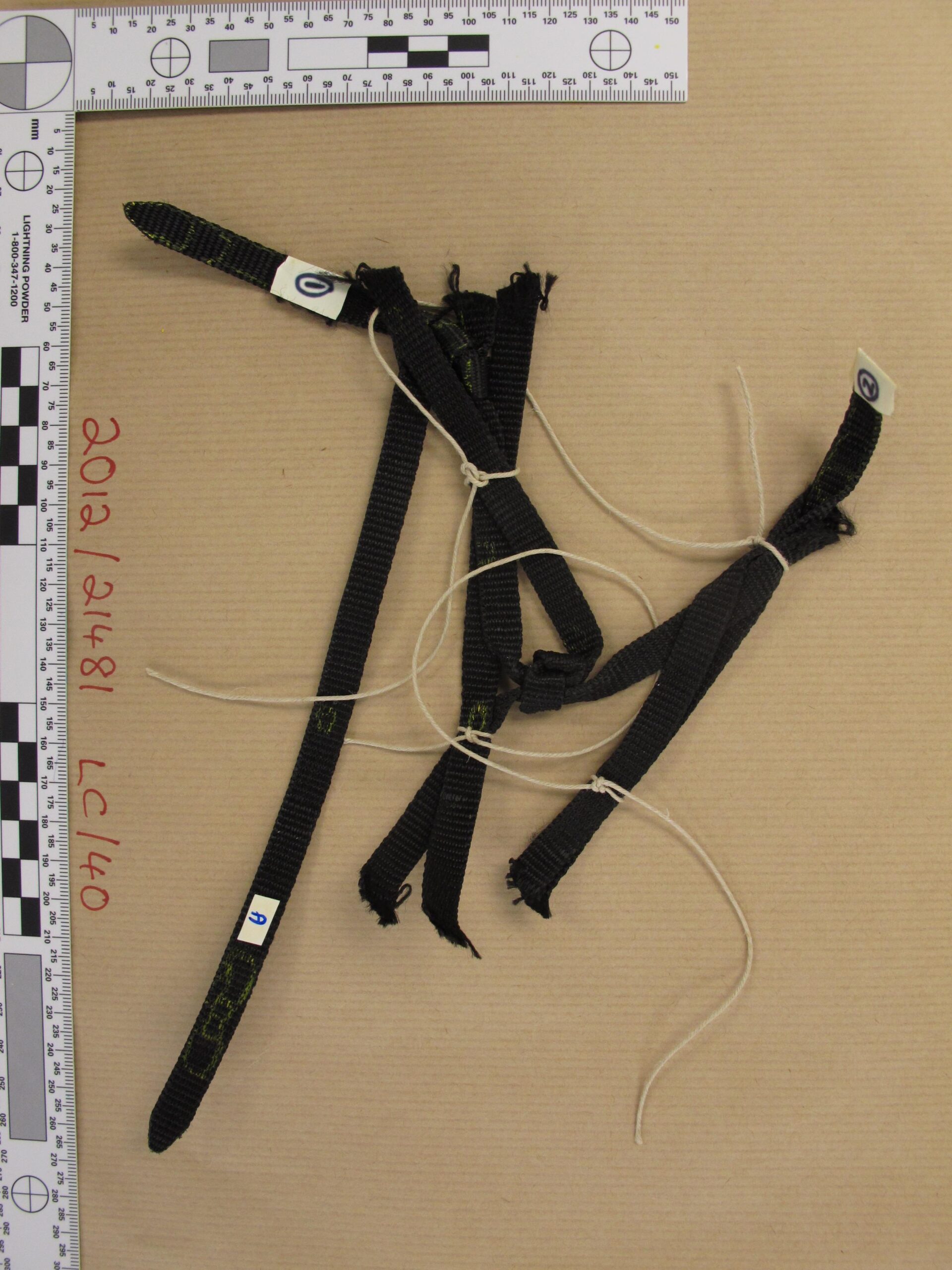
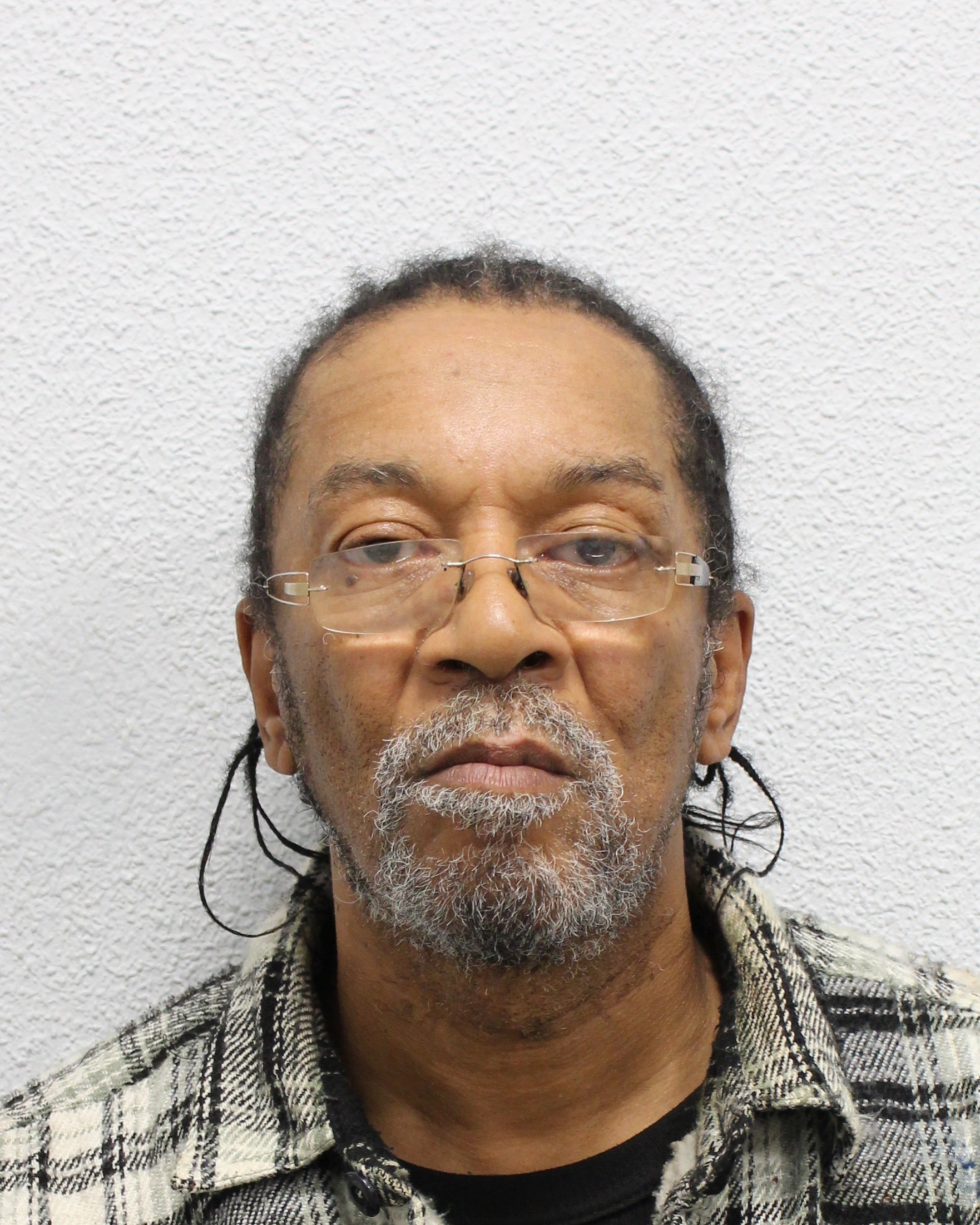
It was only in 2020, during a further review of the case involving more advanced forensic technology, that a DNA sample taken from beneath a knot in the strap was recovered and linked to Danville Neil.

Neil was 35 at the time of the killings and had already served an eight year prison sentence for two burglaries in south London in 1984. Both incidents involved assaults on female victims. He was released in 1992 but he continued to commit burglaries and his DNA profile was added to the national database.

He was arrested on 1 October 2020 during a search of his home in Lewisham. Then aged 63, he denied all knowledge of the incident, claiming he was only involved in buying and selling stolen goods and cannabis.

Neil, then aged 63, was arrested and charged with both murders. During his trial at the Old Bailey he continued to deny involvement and claimed his DNA might have ended up on the strap when he sold the binoculars to William Byran at a car boot sale.

The jury convicted him of the murder of William Bryan and the manslaughter of Anne Castle and on 25 November 2022 Neil was sentenced to life imprisonment with a minimum of 32 years before being considered for release on parole.

Detective Chief Inspector Joanna Yorke, of the Met’s Specialist Crime North Command, said: “We’ve never given up on this case. Thanks to the determination of my officers and efforts of forensic scientists we have been able to achieve justice for Anne and William, and their family who have waited 29 years for this day to come.

“Twenty nine years of not knowing how their loved ones died and who was responsible. That is a pain no one should have to endure and I just hope this result can bring them some small comfort and peace of mind. Their strength and composure throughout this trial is a testament to their values as a family, and I’m sure Anne and William would have been very proud.

“Conversely Neil is a callous and calculated individual, who has continued to deny any involvement in the incident despite the overwhelming forensic evidence against him. He entered the home of Anne and William that night intent on carrying out a burglary. The home they had shared for nearly 50 years. But it was not enough for him to just invade their home and steal from them. Instead he killed them during a violent and heartless attack. I am thankful that he is now out of harm’s way where he belongs.”
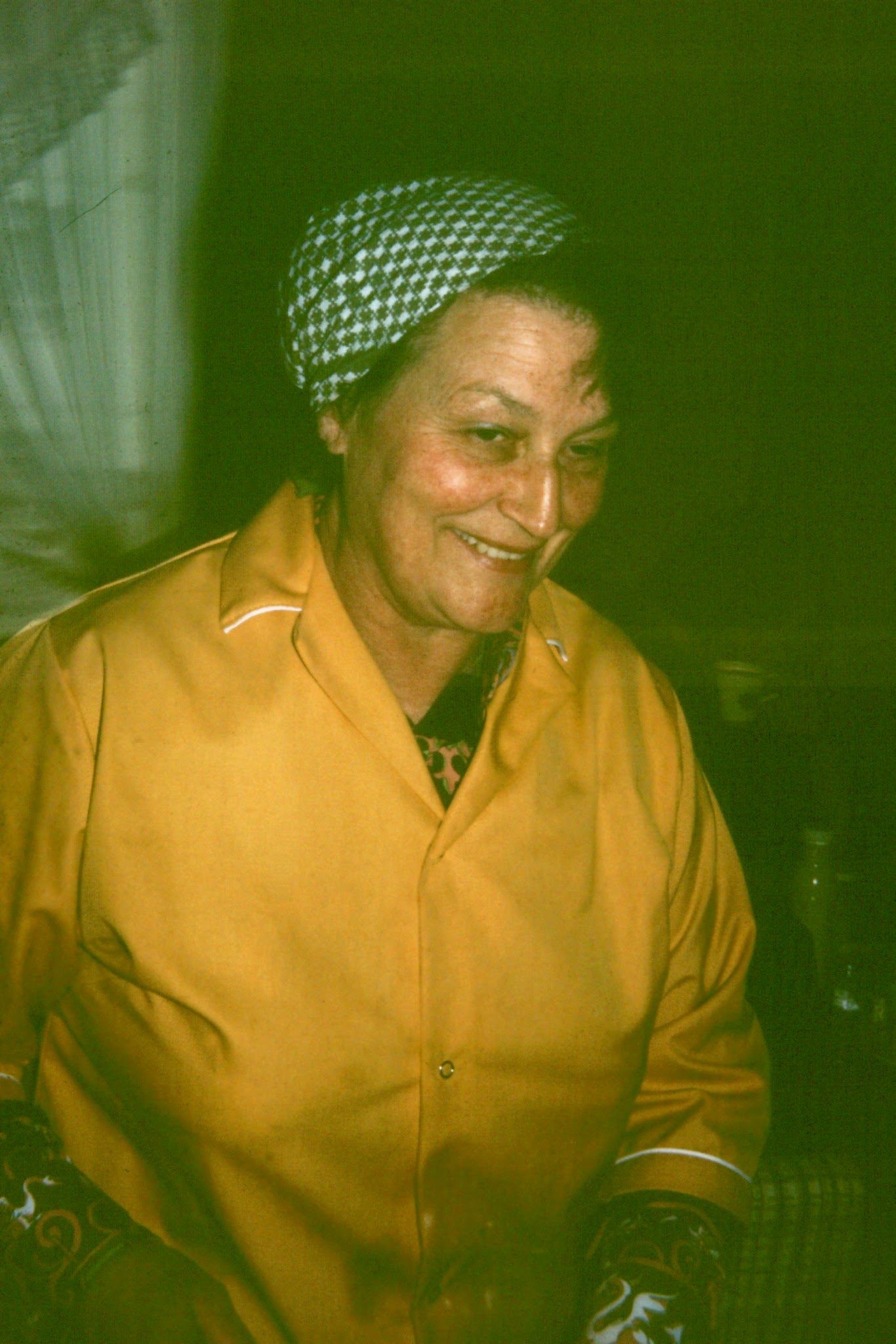
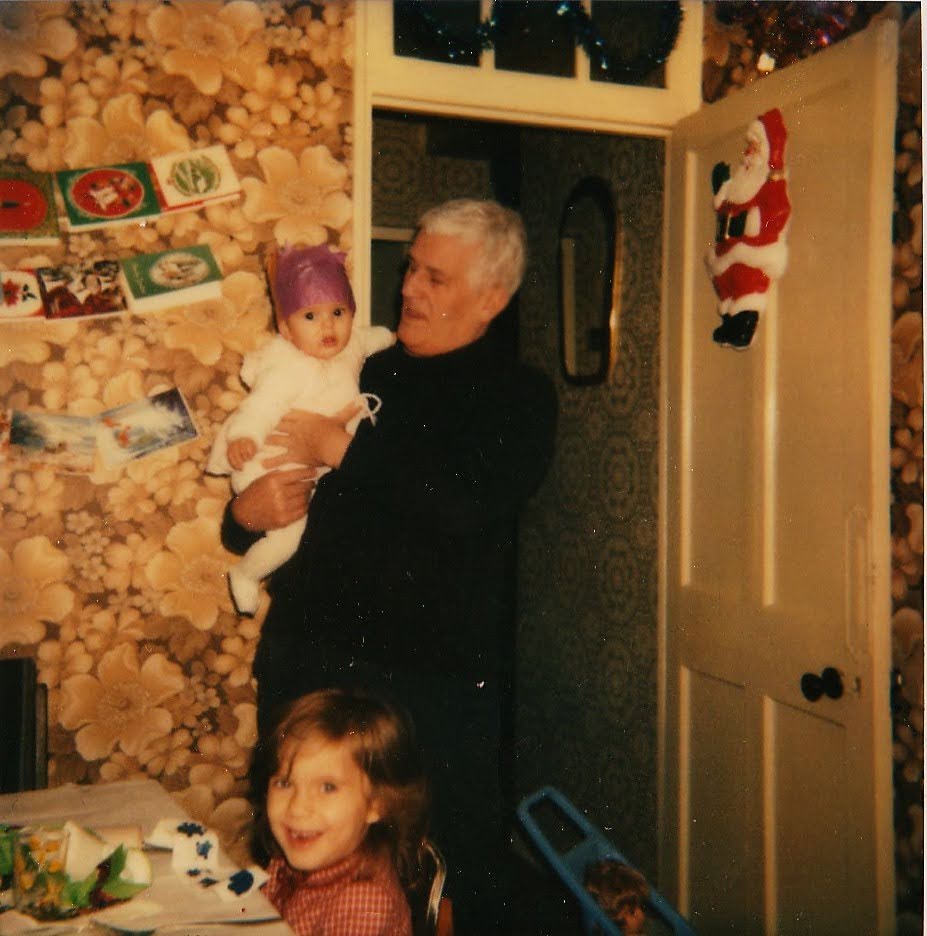
Anne’s daughters, Janice and Cynthia, said: “Our mother spent her whole life in east London where she raised her five children, who went on to give her 13 grandchildren and 15 great-grandchildren.

“She was the most wonderful loving and caring mother and grandmother who was thoughtful in every way. She always put everyone before herself and was a great pillar of the community – well loved and respected by all who knew her.

“When her brother Billy became ill after the war, our parents brought him to live with us and they both cared and looked after him with the greatest of attention. He remained living with Mum until that dreadful day. The fear they must have experienced will never leave us. Uncle Billy was a kind-hearted, thoughtful and generous uncle to all the family. Always happy and so grateful for how he had been looked after.”
Support murdermap

We rely on subscriptions and donations to fund the website.
Sign up for just £5 per year.

The Silver Bullet Murder

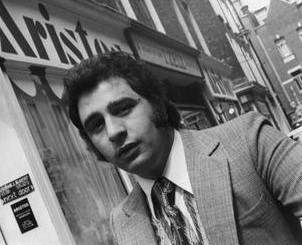
Fashion designer Aristos Constantinou was shot dead at his home in Hampstead on 1 January 1985.

The 40 year-old tycoon was attacked shortly after he returned home from a New Year’s Eve party with his wife Elena.

He was shot six times at close range with an Italian-made Fiocchi gun using nickel-jacketed bullets – leading to the case becoming known as The Silver Bullet Murder.

Police were called to the Health Lodge mansion in The Bishop’s Avenue at around 1.45am after Elena flagged down a member of the public.

Officers found Aristos slumped near an alcove with two bullet wounds to the head and four to the torso. A wall safe was open and a glass pane in the kitchen door had been smashed. The gun has never been recovered.

Aristos Constantinou

Elena later told police that they were confronted by burglars when they returned home and that she was locked in the upstairs bathroom before managing to escape out of a window and down a drainpipe.

During the inquest in 1986 she identified one of the burglars.

Following a reinvestigation in 1998 the Crown Prosecution Service decided there was not enough evidence to put a suspect on trial.

A further cold case investigation in 2017 identified the same suspect and a senior prosecutor who reviewed the case agreed there was enough evidence to prosecute for murder. However the CPS head of special crime decided there was no realistic prospect of conviction and described the evidence as “wholly inconclusive”.

Detectives appealed the decision but an internal review by the CPS upheld the refusal to prosecute.

Aristos’ younger brother Achilleas told The Times in October 2022: “We now have closure because the police have identified who they believe murdered my brother.”

The case remains unsolved.

Will we see a post-Covid surge in London murders?

Homicides in 2022 (so far) are down compared to previous years, despite an increase over recent weeks.

The Metropolitan Police’s own statistics show there were 49 homicides in the first six months, which suggested at that time we might be on course to record less than 100 homicides in a year for the first time since 2014 (when the total was 95).

There have been some signs of an increasing trend in the last two months. July was relatively busy for homicide detectives (the Met stats show 11 cases in July), which upped the average and puts London on course for around 103 homicides this year. [Update 17/8: This trend has continued in August, with at least nine homicides in the month so far].

This interactive graph of homicides in London takes its cue from those charts of rising Covid case totals, but with years instead of different countries. You can see 2022 is running well ‘behind’ the previous four years.

That would still be a significant decrease compared to the years 2018 to 2021 (138, 152, 133, 133 respectively). It’s also notable that there have been far fewer teenage homicides, with seven so far this year compared to 22 at this stage last year, which ended with a record total of 30.

If we accept the theory that homicides in 2020 and 2021 were suppressed by the Covid pandemic (legal restrictions on movement and socialising plus general changes to behaviour), then we might expect the number of murders to increase again once things ‘return to normal’.

Legal restrictions ended mid-July 2021 but there was no obvious increase and 2021 ended with the same total as 2020. Legal testing requirements only ended in February 2022, and it is likely that the continuing waves of Covid over the past winter and this summer are still having an effect.

Another possibility is that the police and other agencies are managing to suppress more homicides this year, possibly spurred on by bad headlines resulting from the record number of teenage homicides last year. The number of Metropolitan Police officers increased from 31,063 in March 2019 to 34,895 in June 2022, although we don’t how much this has helped the Met’s Homicide and Major Crime unit.

At the same time we should probably bear in mind that the ‘cost of living crisis’ could also have an effect over the coming months, such as increasing stress at home (domestic violence) or making it more likely that people get involved in risky situations that end up in fatal violence (e.g. theft, robbery, drugs).

(Update 17/8: Another possibility is that violence has increased because of the recent heatwaves (17-19 July and 9-17 August), with research from around the world suggesting a link between higher temperatures and higher rates of murder/homicide.)

Support murdermap

We rely on subscriptions and donations to fund the website.
Sign up for just £5 per year.

Murder at The Island: Christopher Lombard

Christopher Lombard was shot dead while working at the Island Nightclub in Ilford High Road, east London, on 1 December 1996.

At around 3.35am the 30-year-old doorman was standing in the foyer when two men knocked on the locked glass doors to attract the attention of staff.

One of the two men then fired seven shots through the glass doors into the foyer. Christopher was hit three times, including a fatal bullet wound to the head. Two other door supervisors were injured but survived.

Dashcam footage from an undercover police car outside the club shows the suspects running around the corner to the left.

Detectives believe the suspects had been refused entry shortly before the doors closed at 3am. That night an estimated 1,600 people had been in the nightclub, a converted cinema which had hosted gigs by Oasis, Sleeper and Babybird.

The suspects then fled along Green Lane, got into a silver car parked between Connaught Lane and St Mary’s Road and sped off towards Goodmayes and Becontree Heath.

Nobody was charged during the initial investigation but the Metropolitan Police launched a new appeal for witnesses in November 2013 after a review of the case identified new lines of enquiry.

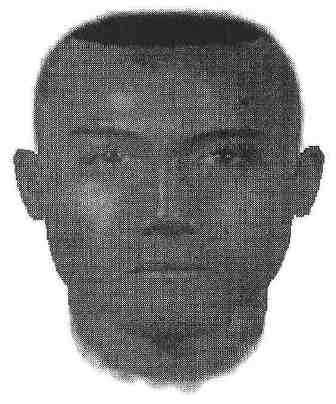
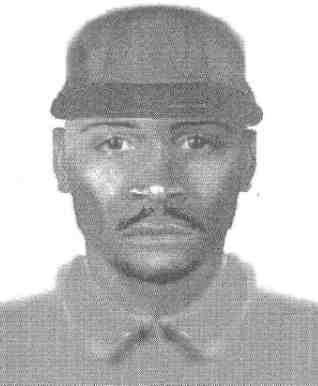
Detectives offered a £20,000 reward for information and issued efits of the suspects. The case was included on BBC’s Crimewatch programme, featuring an appeal from Mr Lombard’s 83 year-old mother Thelma.

The gunman was described as a very dark-skinned black man, aged 17-20 and 5ft 8ins with hair shaved at the sides and closely cropped on top. He had a small circular scar above his right eye and another circular scar to the right of his mouth. He wore a dark top or jacket.

A second suspect was described as of Mediterranean appearance, possibly Greek or Turkish, 5ft 9 – 10 ins and aged 18-25 with dark hair and a moustache and wearing a hat and light-coloured top or jacket.

Christopher was not meant to be working that night but had agreed to cover the shift for a friend. His sister Denise described him as a “gentle giant” because of his build and told of his love for basketball.

Christopher Lombard
Christopher Lombard

Christopher was a law-abiding citizen just doing his job that evening when he was brutally gunned down. It appears that the doormen were deliberately targeted – possibly because of an earlier incident between them and the suspects. A total of 17 years have passed and it seems unlikely that in all that time the gunman has never spoken or bragged about what he did. Allegiances change over time and I would ask anyone with any piece of information, no matter how small, to please contact us. After all these years his family deserve to know who killed him.”

Detective Inspector Robert Pack, speaking in 2013

The case remains under investigation. To provide information anonymously contact Crimestoppers on 0800 555 111.

Murder in Suburbia: The unsolved case of James Durrant in 1988

Detectives described it as “a very brutal murder… in an average residential street in suburbia”. Yet just three months later they closed their active investigation, unable to establish a motive or identify a suspect. The case remains unsolved more than 30 years later.

The victim was James Durrant, a relatively wealthy 74-year-old retired solicitor who lived with his wife Margaret, 77, in Surbiton, southwest London, and had recently celebrated his 50th wedding anniversary. He was within a month of seeing his 75th birthday and was not known for his risk-taking, possibly having seen enough action as a squadron leader with the RAF during the Second World War. His son Christopher, then aged 42, described him as “a quiet elderly man who was beginning to suffer in health a little… life did not expose him to situations where he would be pushed around – for example at football matches.”

James Durrant and his wife Margaret (courtesy of Durrant family, not for reuse)

On the evening of 26 October 1988 Durrant attended a Masonic function at the Connaught Rooms in Covent Garden in his role as treasurer of the Anglo-Dutch lodge (established 1942, erased 2014 due to lack of members). He then had dinner with friends at the Sugar Loaf pub at 40 Great Queen Street (now Philomena’s Irish Bar and Kitchen) before heading home at around 8.30pm.

The first puzzle is how he got to Surbiton. Did he get a train from Waterloo? It appears there were no definite witnesses to his journey apart from a possible sighting at Surbiton station.

That evening his wife Margaret was visiting their son Christopher for dinner. Later that night, concerned that he had not made contact, she and Christopher decided to head back to the couple’s home at 12 Cranes Park Avenue. After entering the three-bedroom house shortly before midnight, they discovered James Durrant lying dead on the floor.

12 Cranes Park Avenue in 2021

He had been killed with a single blow to the front of the head with a heavy, blunt but smooth edged weapon similar to a baseball bat. He had also suffered a knife wound to the upper half of his body, according to newspaper reports. There may also have been other, undisclosed injuries.

Detectives found no sign of forced entry, suggesting he was either surprised when he entered the house or was accompanied by the killer as he made his way inside. Nothing was missing from the scene other than his dark leather wallet containing cash and miscellaneous correspondence, which suggested that the motive was unlikely to be robbery. The killer had not bothered to take other cash found on the body. The porch door had been closed but left unlocked after the murder. Neither of the murder weapons had been left at the scene.

At a press conference a few days later, Margaret Durrant described the killing as “very puzzling”. She was not aware of anything that might suggest he was in danger and rejected any suggesting that there was a link to his membership of the Masons. Instead she and Christopher claimed that the killer could have been a drug addict or someone in need of money who followed the victim home from the railway station.

“Somebody out there must know something,” Christopher told reporters. “Someone must be sheltering someone. Someone must know of a connection who can help us.”

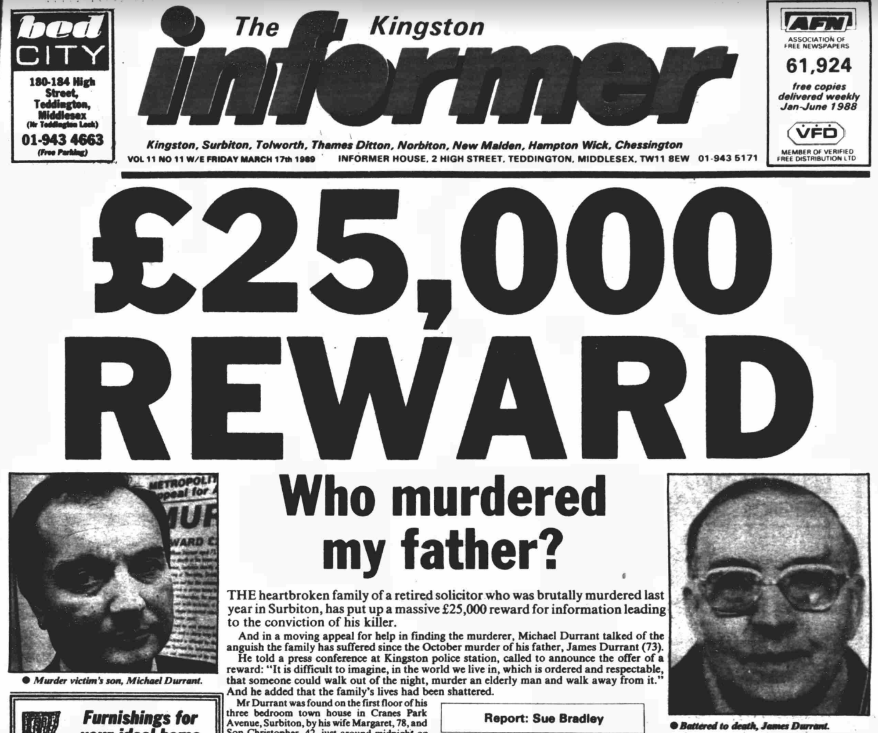
The police officer leading the investigation, Detective Superintendent Malcolm Butcher, gave the local newspaper the impression he was working on the theory that James Durrant may have known his killer. “This was a very brutal murder,” he told the Kingston Informer. “The motive may not have been robbery. It could have been motiveless. It occurred in an average residential street in suburbia inside the security of someone’s home. The killer went over the top, even after death, and may suggest the type of person involved.” He added: “Someone left the hosue with blood on them carrying both weapons, and we are anxious to hear from anyone who can help”.

Police questioned commuters at both Waterloo and Surbiton stations in the week after the murder but were apparently unable to establish the victim’s route home.

A reconstruction of the case was also featured on BBC’s Crimewatch TV programme in the hope of finding crucial witnesses, apparently without success. According to the Kingston Informer of 2 December 1988 police were “no nearer knowing the last movements” of the victim and had been unable to unearth any leads on the Isle of Man, where James Durrant owned property.

After exhausting all their leads, police “terminated” the active inquiry in January 1989, the newspaper reported.

The family, concerned at the lack of progress, issued their own appeal on the first anniversay of the case and offered a £25,000 reward for information.

Son Michael Durrant, then a 47-year-old chartered surveyor, spoke to reporters at Kingston Police station. “It is difficult to imagine in the world we live in, which is ordered and respectable, that someone could walk out of the night, murder and elderly man and walk away from it,” he said.

“It is difficult to believe that it happened. And it is difficult to believe that despite enquiries there is no identity of the cultprit. It is a very unsatisfactory state of affairs. It is difficult to cope with living and not knowing the culprit’s identity. Someone must have seen him. If this can happen and they get away with it, how do you know it is not going to happen again? It must not be allowed to. We are sincerely hoping the reward will bring some information.”

Christopher revealed his mother was still deeply affected by the crime and was not sleeping properly. “She cannot look at pictures of him,” he said. “She kept thinking he would walk back through the door.”

The murder remains unsolved and has received little attention since, other than a short article in the Daily Mail which suggested police were examining possible links to the cases of Deborah Linsley, who was stabbed to death on a train in March 1988, and Alison Shaughnessy, who was stabbed to death at her home in Battersea in 1991. However there seems to be no evidence of any connection apart from the fact they all made train journeys on the days they died.

Support murdermap

We rely on subscriptions and donations to fund the website.
Sign up for just £5 per year.