Palestinian Cartoonist shot dead in London: Naji Al-Ali

Palestinian cartoonist Naji Al-Ali was shot dead in Knightsbridge on 27 July 1987.

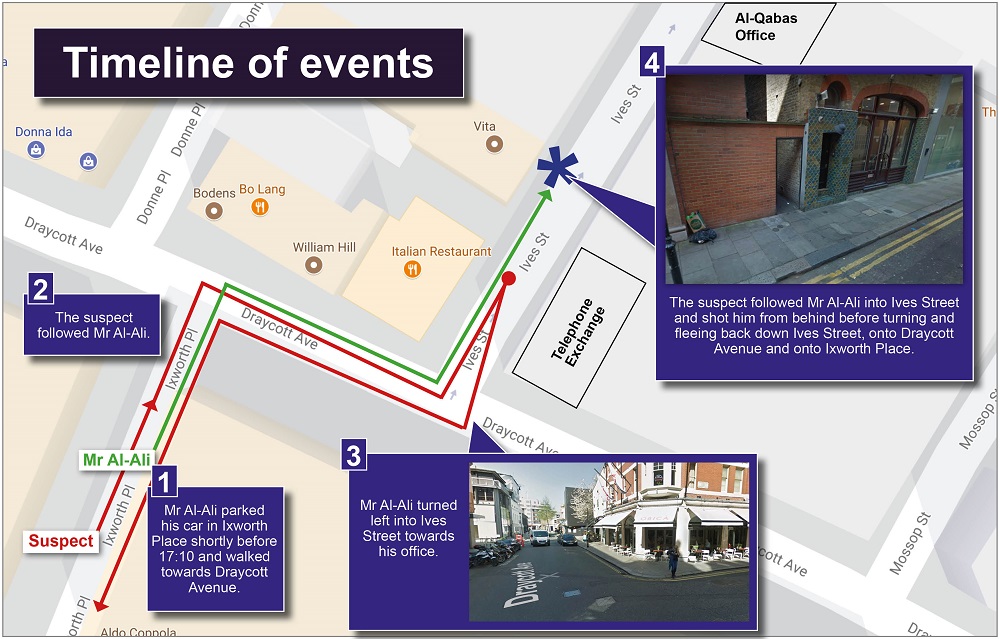
The 49 year-old was attacked as he walked to his office in Ives Street at around 5.10pm.

Witnesses said they saw two men approach the 49 year-old outside the office of the Kuwaiti newspaper al-Qabas at around 5pm.

Mr al-Ali was shot once in the back of the neck and never regained consciousness. He died in hospital five weeks later on 29 August.
Nobody has ever been charged with the murder but it is has been suggested he was assassinated by double agents working for the Palestinian Liberation Organisation and the Israeli Mossad.

Mr Al-Ali’s cartoons were sometimes perceived as critical of the regime in Palestine and he had received a number of death threats in the years leading up to his murder.

On the 30th anniversary of his death the Metropolitan Police launched a new appeal for information as part of a reinvestigation of the case and released further details about Mr Al-Ali’s last movements.
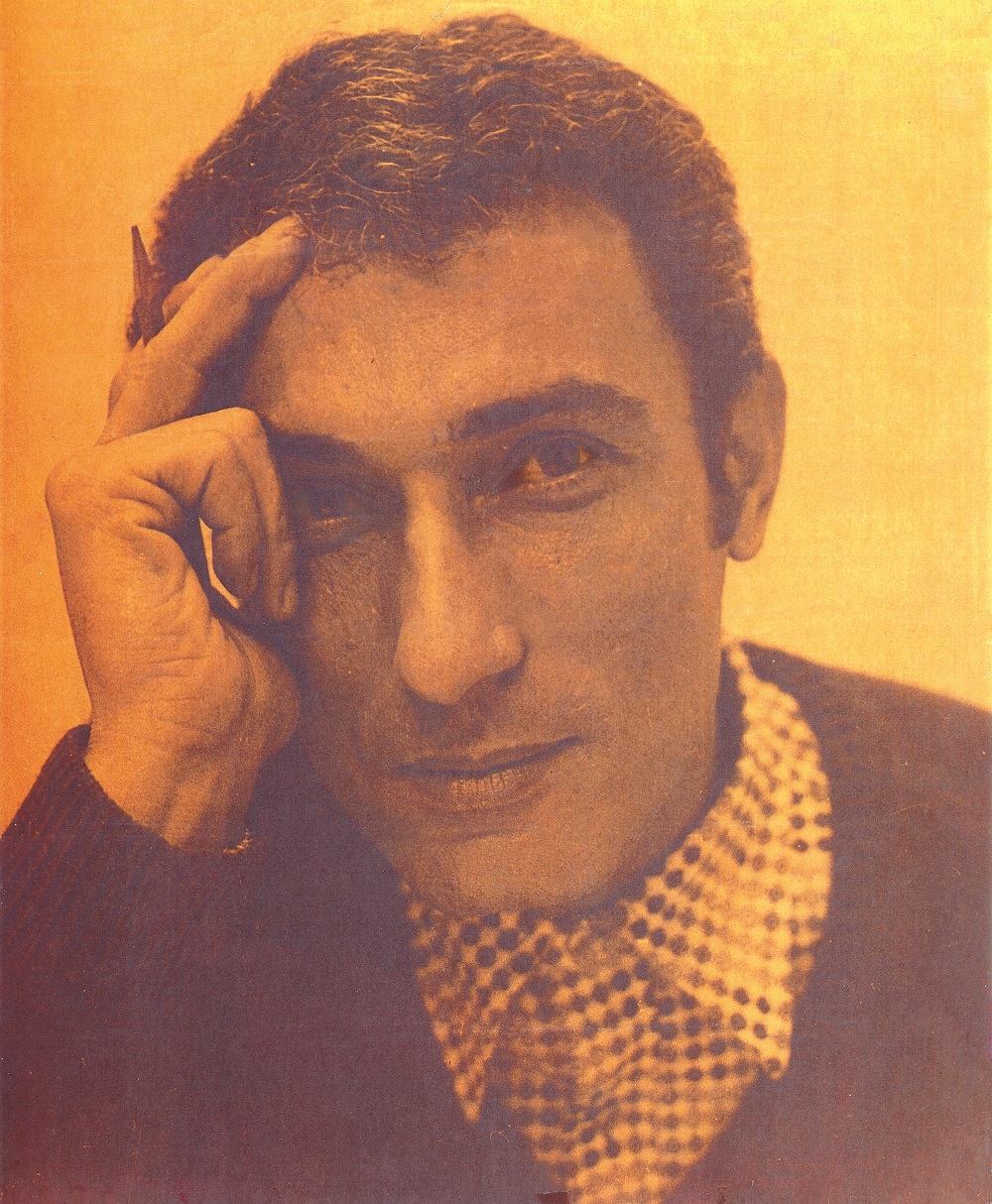
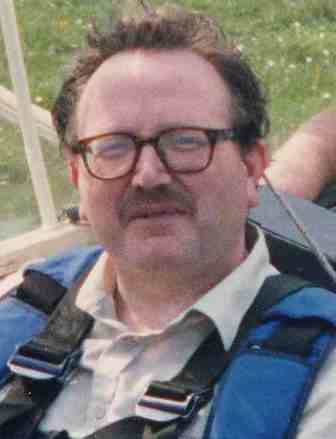
Naji Al-Ali

Witnesses reported seeing him being followed by the suspected gunman as he made his way from his car on Ixworth Place into Draycott Avenue and then Ives Street.

The suspect is described as being of Middle-Eastern appearance and aged about 25, with collar-length  thick black hair that was wavy at the back. He was wearing a stonewashed denim jacket and dark trousers.

After the attack, the suspect was seen to run out of Ives Street back across Draycott Avenue and into Ixworth Place.

A witness reported seeing another man crossing Fulham Road into Lucan Place and getting into the driver’s seat of a silver-grey left-hand drive Mercedes shortly after the incident.

He was seen running with his left hand inside the right side of his jacket as if he was concealing something.
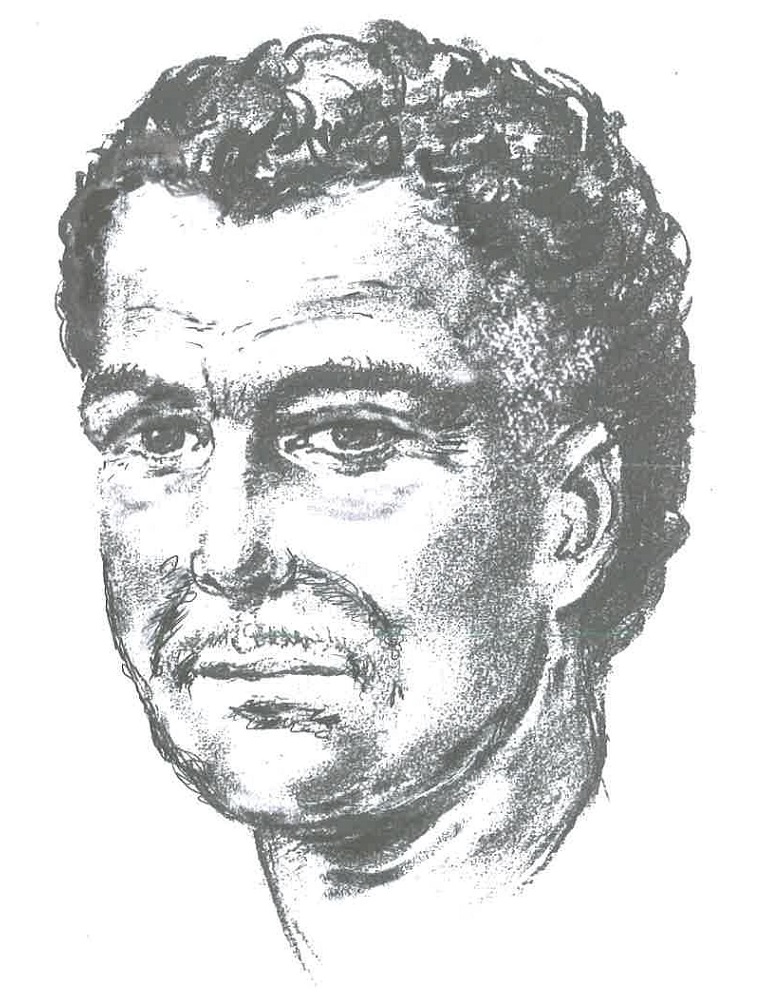
Drawing of suspect

This man was described as being of Middle-Eastern appearance, aged in his 50s, about 5ft 9ins and of medium build but with heavy shoulders. He was said to have dark bushy hair with a lot of grey in it, a fattish face and a bigger than average nose. He was clean-shaven and of smart appearance, wearing a grey suit.

The Mercedes was seen driving off along Lucan Place and left into Ixworth Place, towards the junction with Sloane Avenue. It is believed that the registration number of the car contained the letters P and H in the first part and may have ended 11L.

The gunman was seen following Mr Al-Ali for about 40 seconds before he shot him. Despite the briefness of the attack, witnesses were able to give investigators a good description of the suspect. We believe that he may have arranged to meet the man seen driving the silver-grey Mercedes straight after the murder. We believe that this driver was seen hiding the weapon in his coat, intending to dispose of it.

Commander Dean Haydon, then head of the Met’s Counter Terrorism Command

The gun, a 7.62mm Tokarev pistol, was found in open space on the Hallfield Estate in Paddington almost two years after the murder, on 22 April 1989.

Specialists matched the marks left on bullets by the firing pin during test firing of the weapon to those left on the ejected cartridge case recovered from the scene of the murder.
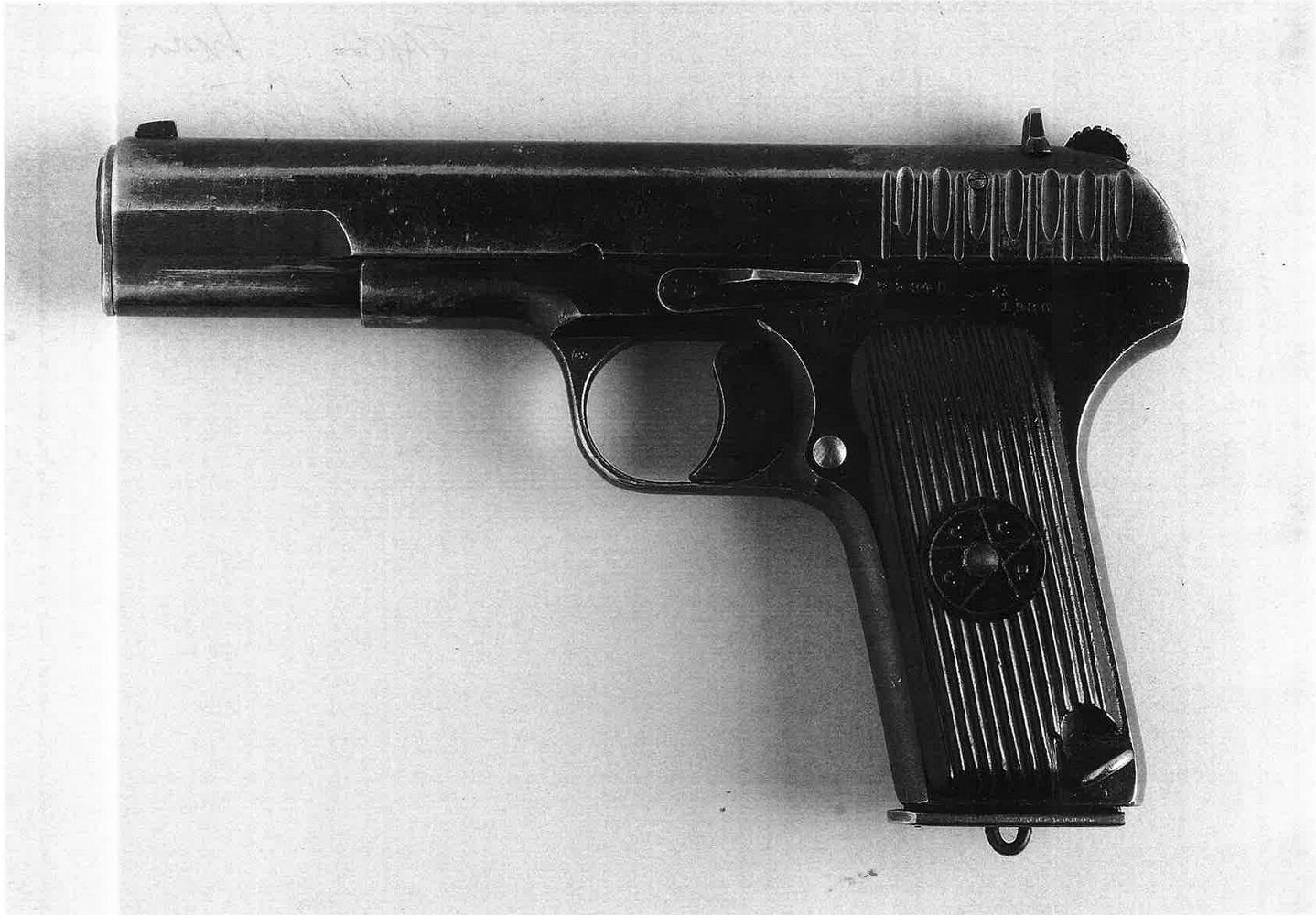
The gun used in the murder

Commander Haydon said: “We have previously reviewed this case and followed a number of lines of enquiry which have not resulted in us identifying these two men. However, a lot can change in 30 years – allegiances shift and people who were not willing to speak at the time of the murder may now be prepared to come forward with crucial information.

“We remain open-minded about the motive for Mr Al-Ali’s murder and we believe there are people somewhere who have information that could help us bring those responsible for his murder to justice.”

My father was a very dedicated family man who wanted to spend as much time with his kids as possible. On top of that he was also very dedicated to his passion of his artwork and the political implications of that, and his people. Lots of questions are unanswered and we would like to have that closure, so we are encouraged by the fact that the investigation is being reopened and we have some path towards resolution, so we know what happened. If anybody has any information they should come forth and reach out through the correct channels. Don’t make an assumption as to whether or not you think information is important. Let the professionals be the best judge of how important that information is. It is 30 years ago, it is a long time ago, memories may be cloudy. That said, anything you have may be that missing piece that’s required to get to the next step and for that, if you can come forward, we are grateful.

Mr Al-Ali’s son, Osama Al-Ali, speaking in 2017

Anyone with information is urged to call the investigation team on 020 3276 9014, or 0044 203 276 9014 if calling from outside the UK.

Alternatively, to remain anonymous call Crimestoppers on 0800 555 111.

Note: This case is featured on the London historical murder map
Support murdermap

We rely on subscriptions and donations to fund the website.
Sign up for just £5 per year.

The unsolved murder of Clara Kirton

Grandmother Clara Kirton, 86, was found dead at her home in Southwark on Sunday 17 November 1985.

The murder remains unsolved but detectives believe she was attacked when she disturbed an intruder looking for cash.

Her body was discovered in the lounge when her 42 year-old son Brian arrived at the ground floor flat at Victoria Buildings in Great Suffolk Street at 8am.

She had suffered a number of wounds to her face and massive slash injuries to her throat and a post-mortem examination concluded she died from inhalation of blood and crush injuries to her face and neck.

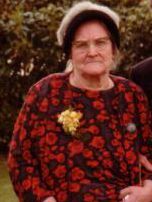
Clara Kirton
Clara Kirton

The broken remnants of a beer bottle – believed to be the murder weapon – were found strewn around the room.

The attack is thought to have taken place between 4pm and 6pm the previous afternoon. There was no sign of forced entry but Clara was in the habit of leaving her flat door open.

Drawers in the lounge and bedroom had been opened and searched but the only thing stolen – despite the fact she had £700 elsewhere in her flat – was Clara’s red purse containing a small amount of cash.

Fifteen police officers were assigned to investigate Clara’s murder and seven men were arrested but despite extensive enquiries nobody was ever charged.

Police unsuccessfully tried to trace the bottle of John Courage Strong Bitter which had been brought by the killer into Clara’s house.

Clara, who was born in 1899, was a widower with four children and 26 grandchildren. She was frail, in the early stages of dementia and suffered diabetes. She was virtually housebound, leaving her flat only twice a week to visit a local community centre.

She relied heavily upon her son Brian who visited every day plus help from a meal delivery service and a district nurse.

Her son Brian and daughter Joyce were the last to see her alive around 10am on Saturday 16 November when they took her a chicken casserole for lunch.

Detective Inspector Susan Stansfield, from the Met’s Special Casework Investigation Team, said: “Detectives at the time carried out a lengthy and thorough investigation into Clara’s death but despite speaking to hundreds of people and carrying out many other enquiries, no one was brought before the courts.

“Clara’s son had the horrific shock of discovering not only his mother’s body inside her flat but also that she had clearly been the victim of a ferocious attack. That memory has, of course, been impossible to erase and the only small amount of comfort he and the rest of Clara’s family might gain is from the conviction of the person who did this.

“It was a long time ago but such an awful incident would stick in your mind if you were local to the area at the time. If you have any information, no matter how small, please come forward. Maybe you were worried about telling police at the time but now, more than 30 years on, you might feel able to approach us. We hope the reward on offer will also encourage people to contact us.”

DI Stansfield added: “We don’t know for sure what the motive was but the evidence suggests someone made their way inside Clara’s insecure flat and she disturbed them as they searched for cash to steal.

“The extreme violence used against her gave the original investigation team cause to believe the killer may have been under the influence of drink or drugs.

“Whatever the motive, Clara’s family are desperate for answers and we would ask anyone who can help to come forward.”

On 13 April 2017 the Metropolitan Police issued a new appeal and offered a £20,000 reward for information leading to a prosecution.

My mum was a wonderful lady, always friendly and happy to talk to people despite her poor health. She certainly did nothing to deserve what happened to her. Finding her like that was just awful. I still can’t believe someone could do that to my gentle loving mum. Those feelings are only made worse by the fact that no one has been caught for her murder. I would ask that anyone who has information please please come forward and tell the police what they know.

Clara’s son Brian, speaking in 2017

Officers can be contacted on 020 7230 4294, via 101 or @MetCC or you can contact Crimestoppers anonymously on 0800 555 111.

View this case on the London historical murder map.

Support murdermap

We rely on subscriptions and donations to fund the website.
Sign up for just £5 per year.

The unsolved murder of Alan Holmes

Alan Holmes, a 53 year-old garage hand who worked at Kentish Town Police station, was tied up and left to die at his home in Camden, north London.

He was dropped off by friends at his flat in Parkway at around midnight on Christmas Day 1995 but failed to report to work over the following week.

It was only on 4 January 1996 that police officers forced entry and found him tied hand and foot to his bed, face down and fully dressed.

Although still alive, he was critically ill due to being restrained in the same position and dehydration.

Before his death, he managed to tell officers that he had been left tied up since Boxing Day – although one of his killers had returned to the flat following the attack.

Alan died on 5 January 1996 from blood clotting due to his injuries.

Alan Holmes
Alan Holmes

Police believe that his killers tortured him into handing over two Natwest bank cards and his PIN numbers before leaving him to die.

CCTV cameras recorded a total of £1,000 being withdrawn but the images have not helped to identify any of the suspects.

One original line of enquiry was that the attack was carried out by members of the homeless community.

Making an appeal for witnesses in December 2010, DCI John Oldham of the Homicide and Serious Crime Command said: “It is now 15 years since Alan was killed and those responsible have never been held to account.

“We hope that another year on, our re-appeals reach someone who may have information that will help the enquiry. I hope they now feel that they can come forward and speak to police.”

Contact detectives on 020 8785 8244 or Crimestoppers anonymously on 0800 555 111.

The 1982 Hyde Park Bombing

Four soldiers were killed by an IRA bomb at Hyde Park in central London on 20 July 1982.

Corporal Roy John Bright, 36, Lieutenant Denis Richard Anthony Daly, 23, Lance Corporal Jeffrey Vernon Young, 19, and Simon Andrew Tipper, 19, were all members of the Royal Household Cavalry, Blues and Royals.

They were riding from their barracks to Buckingham Palace when a nail bomb in a car detonated in South Carriage Drive at around 10.43am.

The explosion also killed seven horses and caused serious injuries to other soldiers, police officers and civilians.

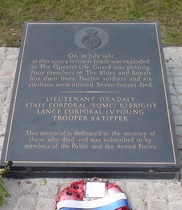
Memorial at Hyde Park

Two hours later a second bomb hidden underneath the bandstand in Regent’s Park exploded during a performance of the music from Oliver! by the Royal Green Jackets band in front of a crowd of 120 people. Seven military bandsmen were killed.

The Provisional Irish Republican Army (IRA) claimed responsibility for the attacks.

In 1987 Gilbert McNamee was sentenced to 25 years for conspiracy to cause explosions including the Hyde Park attack but in 1998 his conviction was quashed on the grounds it was ‘unsafe’.

On 22 May 2013 the Metropolitan Police Service Counter Terrorism Command charged John Anthony Downey, 61 [19/1/52] of County Donegal, Eire, with murder and causing an explosion likely to endanger life relating to the Hyde Park bomb.

Downey was due to stand trial in January 2014 but the indictment was stayed on 21 February 2014 after his legal team argued the prosecution was an abuse of process.

He had been sent a ‘letter of assurance’ by the Northern Ireland Office on 20 July 2007 – the 25th anniversary of the attacks – wrongly stating that he was not wanted by any UK police force.

In fact he was listed as wanted by the Metropolitan Police for conspiracy to murder in relation to the Hyde Park bombing. The Police Service of Northern Ireland has accepted blame for the error.

Mr Justice Sweeney said in his ruling that the public interest in prosecuting Downey was outweighed by the ‘public interest in holding officials of the state to promises they have made in full understanding of what is involved in the bargain.’

The decision was reported on 25 February 2014 after the prosecution announced they would not seek to appeal.

Support murdermap

We rely on subscriptions and donations to fund the website.
Sign up for just £5 per year.

The unsolved murder of Penny Bell in 1991

At around 11am on Thursday, 6 June 1991, two women drove to the swimming pool at Gurnell Grove in Greenford, west London. After parking next to a green Jaguar XJS, they noticed someone slumped in the front seat, as if asleep. Thinking nothing more of it, they went for a swim before returning to their car just after midday. The Jaguar was still there, and so was the person in the front seat. This time they took a closer look and noticed blood in the car and a stab wound. The police were called at 12.15pm.

Penny Bell
Penny Bell

The body in the Jaguar was Penny Bell, a 43-year-old married mother-of-two who worked as a partner in an employment agency. She had been stabbed more than 50 times as she sat in the driver’s seat of her car. On the centre console was a wallpaper sample, as if she had been looking at it or showing it to someone shortly before the attack. Nothing appeared to be missing from her handbag, which was found behind the front passenger seat.

How had Penny Bell ended up at the swimming pool car park? The police investigation established that she had left home in Denham, Buckinghamshire, at 9.40am. Shortly before leaving she had made coffee for the builders and decorators working on the house. She appeared in a hurry and told them that she had an appointment she could not miss at 9.50am.

While that was the last positive sighting of Penny Bell, other witnesses came forward to say that they had seen either the Jaguar or a woman similar to Penny that morning.

One witness reported seeing Penny meeting with the driver of a bronze saloon car in Fulmer Common Road near Black Park, Iver, at around 9.40am. Another saw a pale blue Jaguar XJS parked in Fulmer Common Road between 9.50am and 10am. And a further witness claimed to have seen similar Jaguar car driving erratically in Greenford Road that morning.

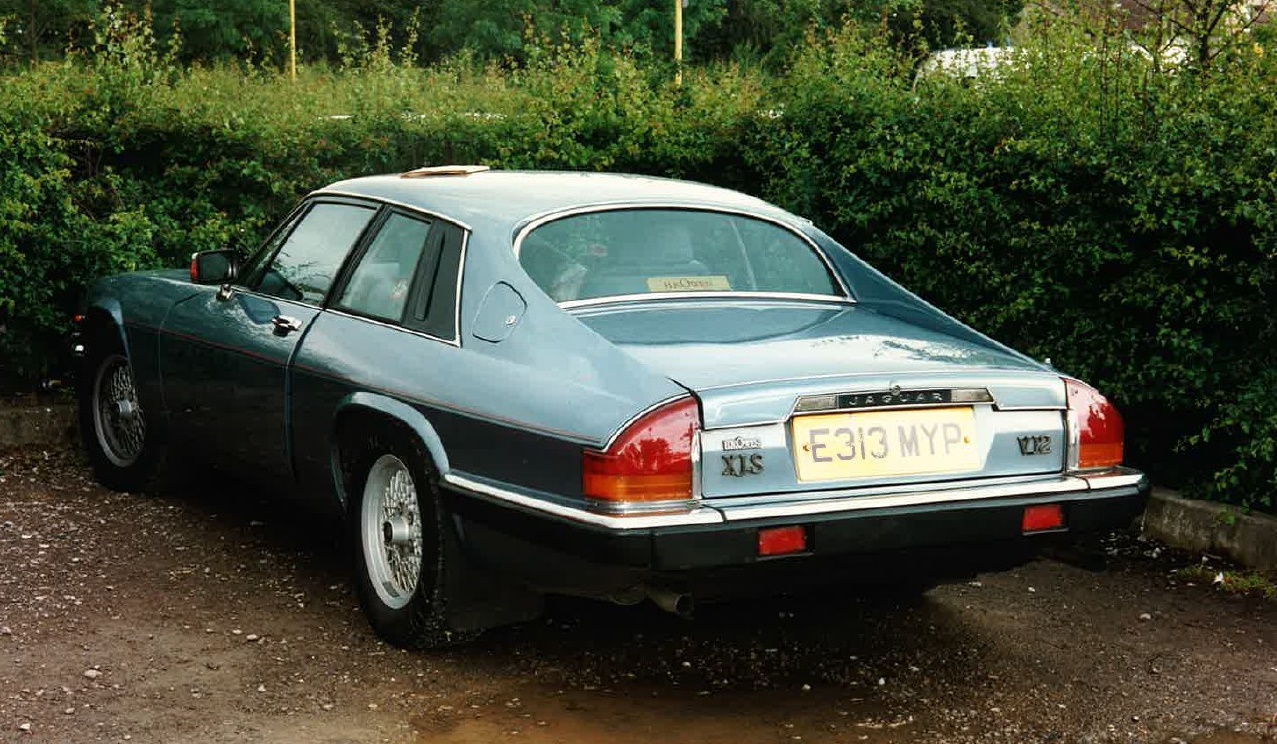
Penny Bell’s Jaguar XJS

However nobody witnessed the fatal attack.

It was a clear and sunny day on the morning that Penny was killed and it’s estimated that around 300 people are believed to have used the car park or leisure facilities, meaning that there should have been plenty of witnesses. Approximately 250 people who had used the leisure facilities between 09:00hrs and 11:00hrs were interviewed and eliminated. Over 60 drivers are known to have parked their cars in the car park during this time. No one interviewed had witnessed the attack or the killer’s escape; it’s almost as if they vanished into thin air.

Detective Sergeant Susan Stansfield, from the Met’s Special Casework Investigation Team

To add to the mystery, three days earlier Penny had withdrawn £8,500 in cash from her joint personal account while visiting her bank in Kilburn High Road, at around 2.30pm on 3 June 1991. The money, all in used £50 notes, was handed to her in a brown manila envelope. Penny appears not to have mentioned this withdrawal to anyone or even made a reference to it in her spending records.

Detectives were unable to establish who Penny was meeting on the morning of her death or establish why the money was withdrawn and what happened to it.

One further lead emerged in 2019, when a new witness told police they had seen a man in his underwear walking across the footbridge crossing the A40 Western Avenue in Greenford at around 10.50am. This man appeared wet, as if he had just washed. He was wearing blue stripped boxer shorts, a white t-shirt, had a chunky chain link thick bracelet and was carrying a rucksack.

DS Stansfield described this as “very significant information that might help us catch Penny’s killer”, and added: “Did you also see something odd at the time that you now might think is connected? Or did you also see this man in his underwear and think nothing of it? If so, we need to speak to you as soon as possible.”

A £20,000 reward for information leading to the arrest and prosecution of the killer remains on offer.

DS Stansfield said: We are still, to this day, trying to bring closure to her family who remain hopeful that justice will be served. To help us investigate Penny’s death, I am once again asking for anyone who might know who killed this mother of two to come forward and speak to a member of my team. A lot can change over 30 years. A partner, family member or friend from the time of the attack may have been too scared to report their information to us in 1991, but circumstances and relationships change and I would implore anyone who knows who committed this crime to call us.”

“We are grateful for the work of the Metropolitan Police and their determination to help solve this case. Thirty years marks an extremely painful milestone but with the help of Crimewatch and their viewers, we could be one step away from finding the perpetrator who still walks among us. Any information would be life-changing for us as a family and a result would mean we could finally find closure.

Lauren Bell, Penny’s daughter, speaking in 2021

Call police on 0208 7858267 or the independent charity Crimestoppers, anonymously, on 0800 555 111.

Support murdermap

We rely on subscriptions and donations to fund the website.
Sign up for just £5 per year.